News > Blog
Menstrual Health Is Everyone’s Responsibility — A Global Perspective on Girls’ Education
Published 05/30/2025 by Global Communities
By Leonel Arguello, Director, Integrated School Feeding Programs, Global Communities
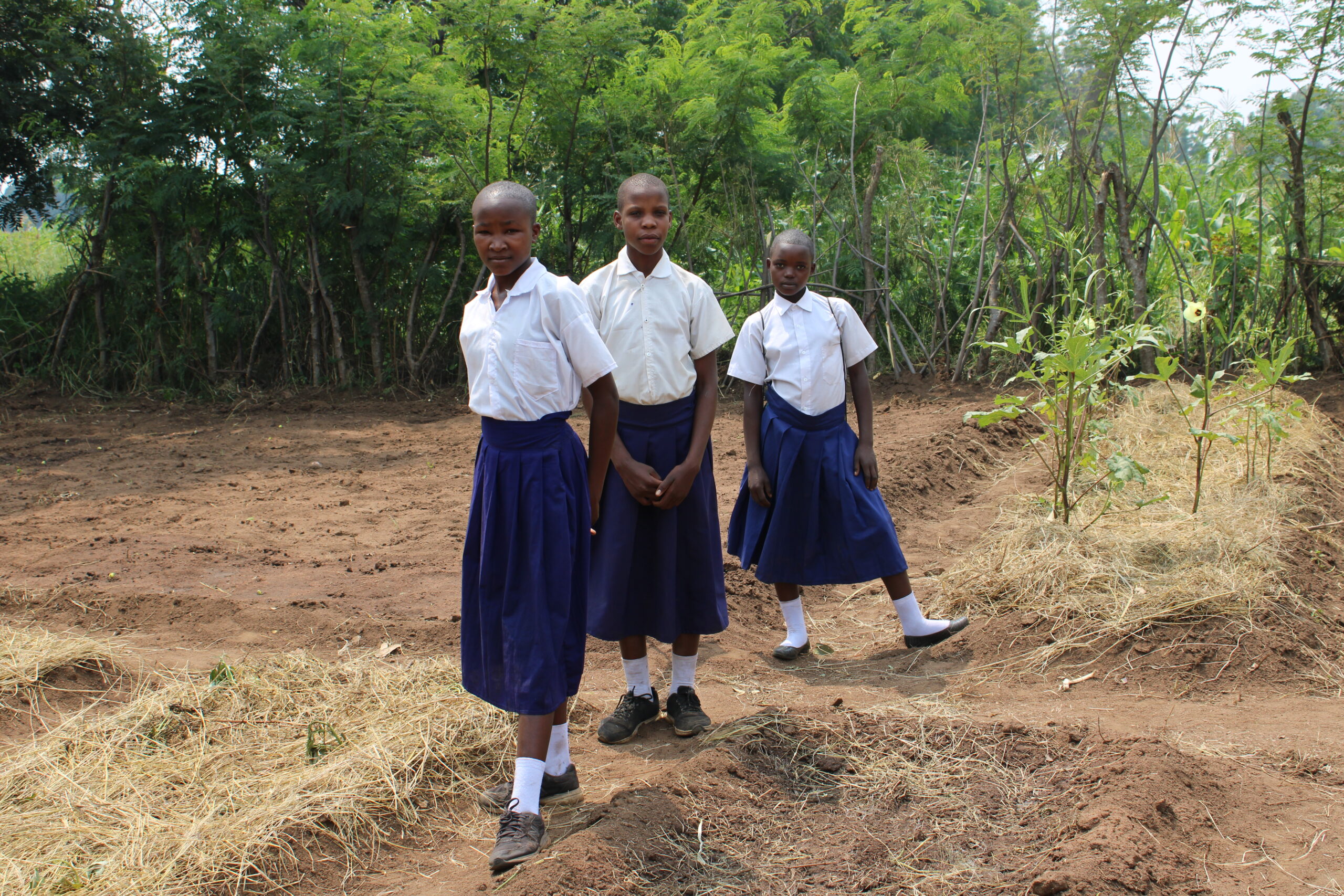
Six years ago, I had the opportunity to visit primary schools in rural Tanzania where Global Communities was implementing a McGovern-Dole Food for Education project. As someone who has spent much of my career designing and leading integrated school meals programs, I’ve long understood that improving educational outcomes requires more than just providing meals. It means addressing the barriers that prevent students from staying in school, and one of the most pressing barriers in certain regions of the world is girls’ menstrual hygiene management (MHM).
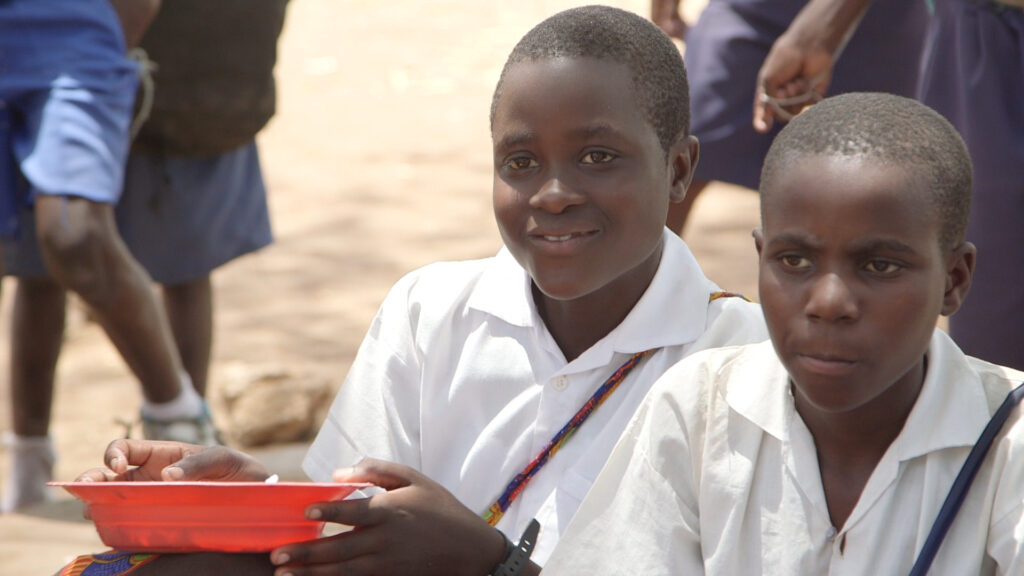
That visit reaffirmed what I know to be true; when schools create supportive environments for girls to manage menstruation with dignity, they are more likely to stay healthy, confident and engaged in their education. I saw firsthand how simple, thoughtful infrastructure like separate latrines, access to sanitary products and designated private spaces for girls can have a powerful impact. These aren’t optional enhancements; they are essential components of an inclusive, gender-responsive education system.
In many parts of Central America where I’ve worked extensively, menstruation is not typically a reason for girls to miss school. But in Tanzania, it’s clear that inadequate facilities, strong cultural taboos and lack of menstrual products can lead to absenteeism, health issues and even girls dropping out of school altogether.
These differences highlight a critical principle in our work: every school and every country’s context is different.
That’s why integrated school meals programs – which consider the whole student, not just their hunger – must be designed with flexibility, allowing for tailored approaches that respond to the unique barriers students, especially girls, face in each setting. In some regions, ensuring the availability of sanitary pads may be the most urgent need. In others, culturally sensitive education, improved water access or better infrastructure for privacy and hygiene may be the key to improving school retention.
Schools have a vital role to play in creating environments where girls can manage their periods without shame or interruption to their education. This includes providing comprehensive education about menstruation and hygiene practices, ensuring that girls can access sanitary products, such as pads or tampons, and providing clean, private and safe latrines with running water and soap.
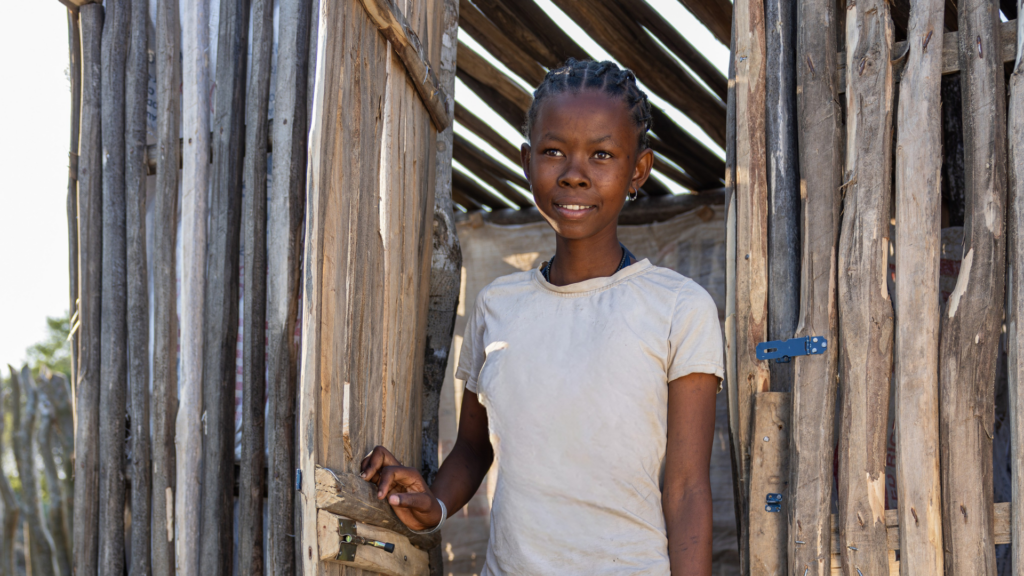
It’s important to note that infrastructure is only part of the solution. When schools normalize menstruation and provide respectful, supportive environments, they help break down harmful stereotypes and foster gender equality. In fact, gender-sensitive infrastructure in schools often becomes a model for the wider community, showing what dignity, inclusion and respect for all can look like in public spaces.
Destigmatizing periods in schools has profound implications for health, safety, education and gender equality, and breaks down gender barriers and stereotypes.
As someone who has worked in global health and education for decades, I believe men have an important role to play in advocating for menstrual health. Reducing stigma requires all of us to speak up, support the needs of girls and women, and help shape policies and programs that reflect their realities.
My time in Tanzania confirmed what I had seen across countries: when girls are supported to manage menstruation with dignity, they stay healthier, more confident, and better equipped to succeed in school and in life.
Let’s continue to listen, learn, adapt and lead in ways that make menstrual health a priority for every student, everywhere.